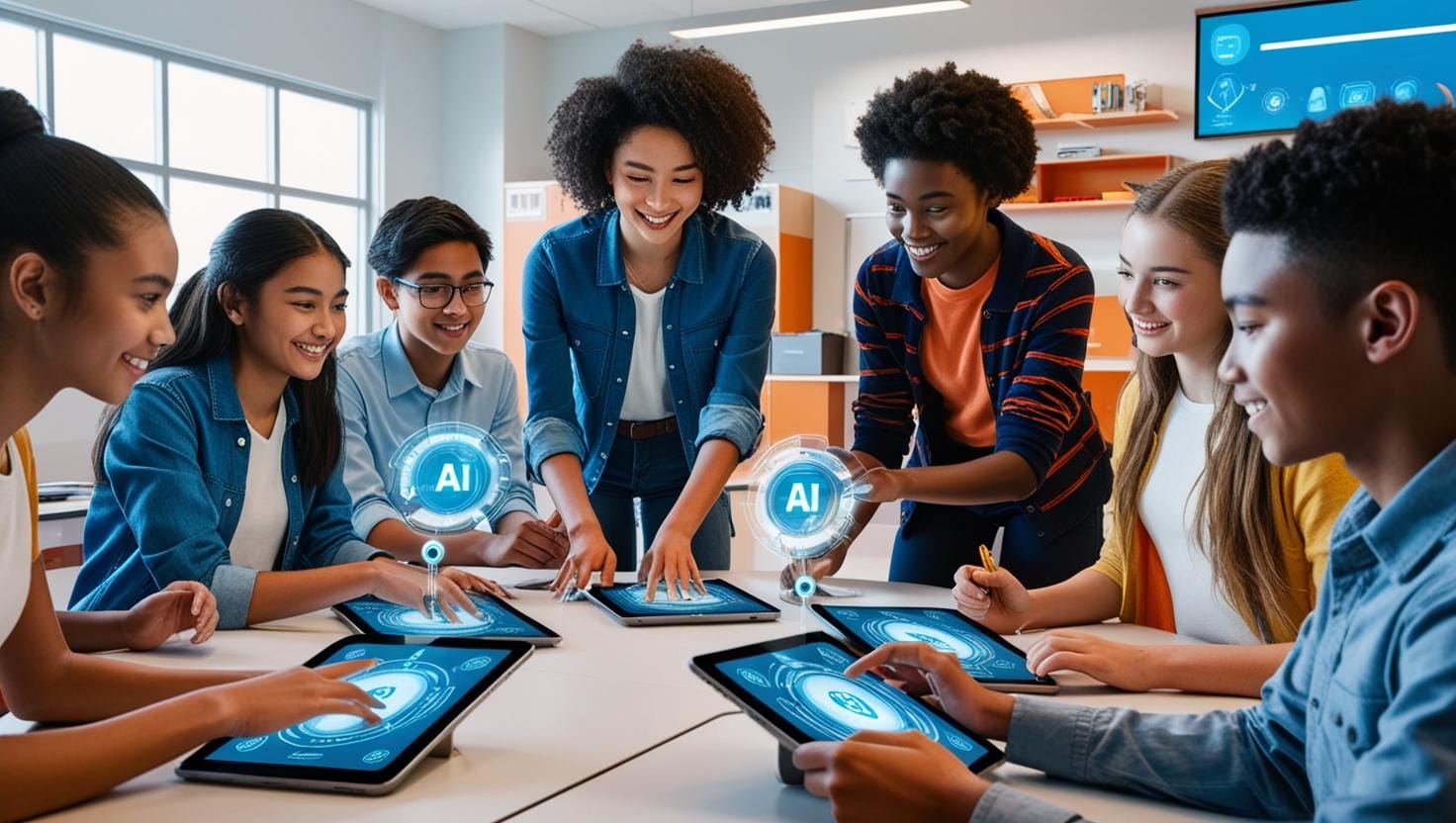
AI homework solvers and traditional tutoring are changing the way students learn in 2026. Students now have more options than ever for getting academic support, from AI-powered study assistants that provide instant explanations to human tutors who offer personalised guidance. Both approaches have unique advantages, and the best choice depends on a student’s learning style, subject difficulty, budget, and academic goals. AI is increasingly being integrated into education through personalised learning systems, adaptive feedback, and intelligent tutoring technologies.
AI homework solvers provide instant academic support anytime. AI-powered platforms can explain concepts, solve problems step by step, summarise notes, generate practice questions, and help students understand difficult topics within seconds. Unlike traditional tutoring, AI tools are available 24/7 and allow students to ask unlimited follow-up questions without waiting for a scheduled session.
Traditional tutoring provides human guidance and personalised mentoring. A professional tutor can understand a student’s emotions, identify learning difficulties, adjust teaching methods, and provide motivation during challenging subjects. Human tutors are especially valuable for students who need accountability, encouragement, or support with complex academic concepts that require deeper interaction.
AI homework solvers are more affordable and accessible for many students. Traditional tutoring often requires paying hourly fees and arranging fixed schedules, while many AI study tools provide free or low-cost options. This makes AI assistance available to students who may not have access to private tutors or additional academic support.
AI tools are especially useful for quick explanations and practice. Students can use AI homework solvers to check their understanding, review mistakes, and practise different types of questions. For subjects like mathematics and programming, AI tools can provide step-by-step guidance and adaptive support based on individual learning needs. Research suggests AI-driven personalised learning systems can improve problem-solving by providing tailored feedback and learning support.
Traditional tutors remain stronger for motivation and personalised learning strategies. While AI can explain information, human tutors can recognise when a student is confused, frustrated, or lacking confidence. They can create customised learning plans, monitor progress over time, and provide emotional support that technology cannot fully replace.
AI homework solvers have some limitations that students should understand. AI-generated answers may occasionally contain errors, lack context, or provide explanations that are not suitable for every learner. Students who depend entirely on AI without understanding the concepts may struggle when facing exams or independent problem-solving situations. Educators have also raised concerns about students using AI only to complete assignments instead of developing critical thinking skills.
The best approach in 2026 is combining AI tools with human guidance when needed. AI can handle daily homework questions, revision support, and quick explanations, while tutors can provide deeper instruction, mentorship, and personalised academic coaching. A hybrid learning approach allows students to benefit from both technology and human expertise. Research into human-AI tutoring models suggests combining AI support with human intervention can improve learning outcomes compared with relying only on automated systems.
AI homework solvers vs traditional tutoring comparison:
Cost: AI tools are usually cheaper and often available for free, while private tutoring generally requires ongoing payments.
Availability: AI homework solvers are available anytime, while tutors usually follow scheduled sessions.
Personalisation: Human tutors provide emotional and behavioural support, while AI provides data-driven personalised explanations.
Learning Style: AI works well for independent learners, while traditional tutoring benefits students who need direct guidance.
Speed: AI provides immediate answers and explanations, whereas tutors may require scheduled appointments.
Conclusion shows that AI homework solvers and traditional tutoring both play important roles in modern education. AI tools are ideal for fast support, revision, and everyday homework assistance, while tutors remain valuable for personalised teaching and motivation. In 2026, students can achieve the best results by using AI as a smart learning assistant while relying on human tutors for deeper guidance and long-term academic improvement.